
Brandon Mold Remediation
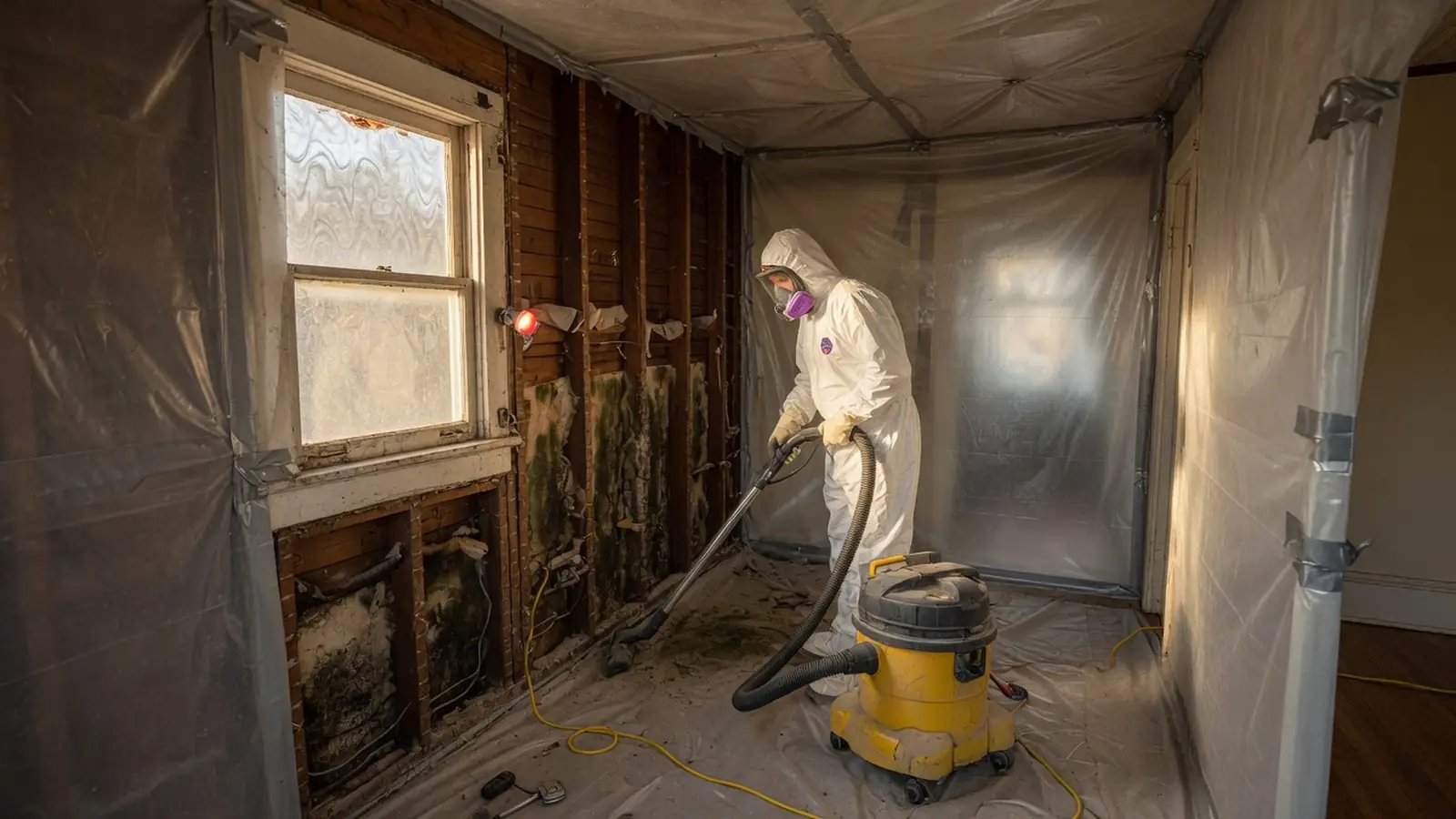
Professional remediation isolates affected rooms with poly sheeting and operates HEPA-filtered air scrubbers under negative pressure so microbial spores cannot migrate into living areas. Our local crew eliminates concealed colonies, extracts moisture, and restores clean indoor air quality.
Active backup? Call (601) 555-0170 and stop using water in the house.
Prefer to talk? (601) 555-0170
Precision Containment And Microbial Cleanup
Our service territory encompasses 9,530 housing units on record in the Census ACS 5-year estimates.
The median owner-occupied home locally was built in 1994 (Census ACS 5-year).
About 39% of housing units in the community (3,728 of 9,530) were built since 2000, so a substantial share of the local stock is still on its original systems.
As trade videos frequently highlight, undetected pipe leaks inside wall cavities provide the persistent moisture required for mold colonies to develop out of sight before homeowners notice musty odors.
When resolving moisture sources, our specialists coordinate with comprehensive water damage restoration and structural drying services to prevent persistent regrowth.
We conduct thorough visual assessments and moisture mapping on every compromised wall assembly.
Systematic Containment And Structural Decontamination
We follow systematic negative-pressure protocols to isolate affected areas and stop cross-contamination throughout the home. A pattern echoed in public discussions is homeowners seeking a sanity check when quoted high costs for localized supply leaks behind bathroom drywall, wondering if negative air machines and plastic barriers are overkill, but containment remains essential to prevent airborne spore dispersion. For properties experiencing subterranean dampness, managing crawl space water intrusion beneath floor joists protects subflooring before persistent fungal rot can compromise structural integrity.
- Negative Air Containment. The crew erects heavy-duty poly barriers and establishes continuous negative pressure using industrial HEPA filtration units to capture airborne spores before physical disturbance begins.
- Controlled Demolition. Mold-colonized drywall and fiberglass insulation must be bagged and removed, whereas solid structural wall framing can usually be wire-brushed, sanded, and treated with antimicrobials.
- Substrate Sanitization. Our technicians explain why spraying household bleach on damp framing studs is ineffective for killing root-like hyphae inside porous wooden building components, applying deep-penetrating EPA-registered antimicrobials instead.
- Containment Zone Reconstruction. Patching drywall while remediation containment is active prevents dust migration and eliminates multi-contractor delays.
Targeted Decontamination Without Shortcuts
We adhere to strict containment and clearance standards on every structural decontamination project. Our technicians never use superficial cosmetic coatings to hide damp materials, ensuring mold-colonized drywall and fiberglass insulation must be bagged and removed, whereas solid structural wall framing can usually be wire-brushed, sanded, and treated with antimicrobials. Homeowners often question whether aggressive five-figure remediation quotes are justified or a scare tactic for surface mildew on foundation piers; we provide honest assessments grounded in calibrated moisture readings. If severe weather compromises your roof or windows, our team provides emergency storm damage cleanup and structural water extraction to arrest fungal amplification before spores colonize structural cavities. Every stage of physical remediation is documented with photographic records and relative humidity measurements for complete owner transparency.
Containment And Spore Filtration
We isolate active work zones using poly barriers and HEPA air scrubbers under negative pressure. This setup prevents microbial spores and fine demolition dust from circulating into clean living areas.
Structural Timber Treatment
Porous framing members undergo HEPA vacuuming, wire brushing, and application of commercial antimicrobials. We eliminate root-like hyphae embedded in wood without relying on ineffective topical bleach washes.
Contaminated Material Disposal
Severely infested drywall and insulation are sealed in disposal bags within containment to avoid cross-contamination. Clean structural components are verified dry with calibrated moisture meters before repairs proceed.
Our Commitment To Verified Structural Remediation
We approach every remediation project with rigorous containment and verified moisture protocols, ensuring framing is completely dried and sanitized before closing up wall cavities.
- 15Zip Codes Served
- 6Service Areas
- 3Services Offered
Read real feedback from property owners who experienced our structured containment, clean demolition, and dedicated customer service firsthand.
“When containment equipment arrived, our HOA president immediately inquired about noise and exterior disposal bins. The crew handled all questions with total courtesy, kept equipment neatly organized, and finished the job without a single neighborhood complaint.”
Marcus T.
“Six months have passed since the team remediated the hidden moisture issue behind our master bath vanity. The persistent musty odor has never returned, and our indoor air feels completely fresh through two humid seasons.”
Elena R.
“My elderly mother uses a walker and stays in the adjoining bedroom, so dust control was our biggest anxiety. The technicians maintained sealed plastic corridors, ran negative air scrubbers quietly, and made sure her daily path remained entirely unobstructed.”
David K.
“A handyman gave us a low bid that involved simply wiping the drywall with bleach and painting over it. This company explained why that fails, removed the contaminated insulation properly, and gave us genuine peace of mind.”
Patricia M.
Frequently Asked Questions
Why is spraying household bleach on damp framing studs ineffective for killing root-like hyphae inside porous wooden building components?
Bleach cannot penetrate porous wood grain, leaving internal fungal hyphae alive while surface water fuels rapid fungal recurrence within days. Professional remediation uses penetrating EPA-registered antimicrobials paired with abrasive cleaning.
How does negative air containment protect living spaces during mold remediation?
Sealed poly barriers paired with HEPA-filtered negative air machines prevent airborne fungal spores from migrating into unaffected living areas. This containment ensures that disturbed particles are continuously evacuated through certified HEPA filtration.
Can mold-damaged drywall and insulation be cleaned rather than removed?
Porous materials like drywall and fiberglass insulation must be safely removed because embedded fungal colonization cannot be fully cleaned. Solid framing substrates can generally be wire-brushed, sanitized, and preserved.
Why should drywall patching take place before remediation containment is taken down?
Patching drywall while containment remains active captures gypsum dust under HEPA filtration and prevents multiple contractor delays. This keeps dust from settling into clean living areas.
How do local housing ages affect fungal vulnerability in regional crawl spaces?
Homes built in the 1990s often rely on original plumbing and ventilation systems that develop undetected moisture issues inside crawl spaces. When crawl spaces experience humidity buildup, subfloor timbers require antimicrobial treatment before encapsulation.